Departments and Units
Explore the care available at Jeevodaya Hospital in Attibele, Bengaluru.
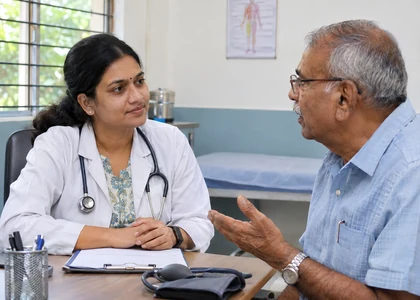
General Medicine
General Medicine is a starting point for adults who want an initial assessment or follow-up for an ongoing health condition.
- Discuss new symptoms or recurring health concerns.
- Review previous test results, prescriptions and current medicines.
- Discuss whether follow-up or a specialist consultation is needed.
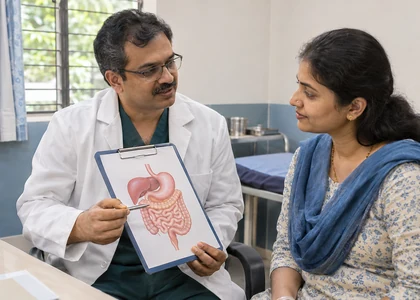
General Surgery
A surgical consultation helps patients understand their condition and discuss whether an operation may be appropriate.
- Review symptoms, previous reports and relevant medical history.
- Discuss the proposed procedure and the questions you have about it.
- Ask what preparation, recovery and follow-up may involve.
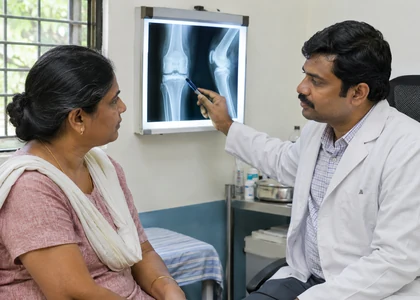
Orthopaedics
Orthopaedics assesses bone and joint conditions, including injuries, fractures, pain and stiffness.
- Explain how pain or stiffness affects walking and everyday movement.
- Bring any previous X-rays, scans or injury records you have.
- Discuss treatment options, follow-up and rehabilitation needs.
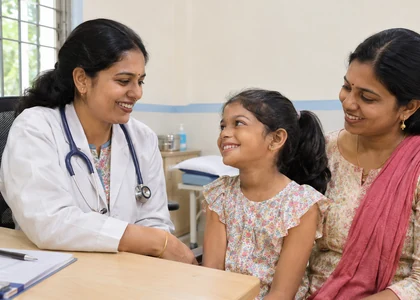
Paediatrics
Paediatrics provides medical care for infants, children and adolescents. Parents and caregivers can discuss illness, growth and follow-up concerns during a consultation.
- Share when symptoms started and any medicines already given.
- Bring previous prescriptions, reports and vaccination records if available.
- Ask about follow-up for your child’s particular concern.
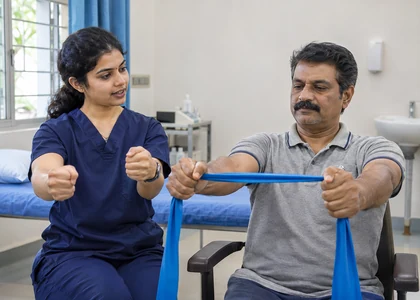
Physiotherapy
Physiotherapy supports movement, strength and daily activities. Rehabilitation goals depend on the patient’s assessment and what they want to get back to doing.
- Discuss difficulties with movement, balance or everyday tasks.
- Share relevant injury, surgery or treatment records.
- Ask how progress will be reviewed during rehabilitation.
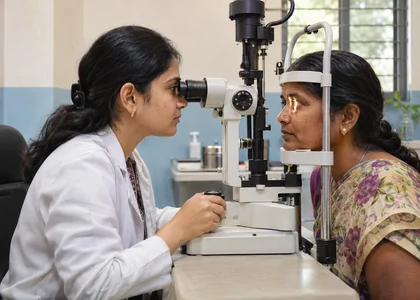
Ophthalmology
Ophthalmology provides assessment and follow-up for eye conditions, changes in vision and eye discomfort.
- Describe any vision changes and when you first noticed them.
- Bring your current glasses and any previous eye reports.
- Share the names of any eye drops or medicines you use.
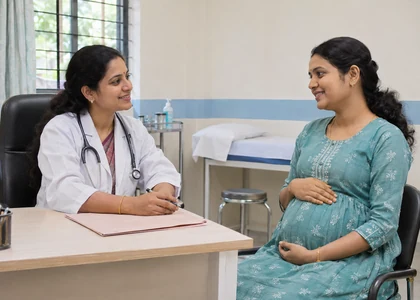
Obstetrics and Gynaecology
Obstetrics focuses on pregnancy-related care. Gynaecology covers reproductive health concerns, including menstrual and pelvic symptoms.
- Discuss pregnancy-related questions or gynaecological concerns.
- Bring any antenatal records, previous scans or test reports you have.
- Ask about the next consultation or follow-up for your needs.
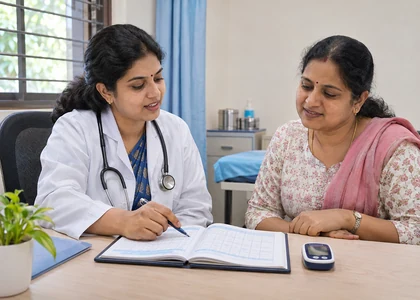
Diabetology
Diabetology focuses on diabetes assessment, monitoring and follow-up. A consultation can include a review of your blood glucose readings and current treatment.
- Bring recent glucose readings or a glucose log if you keep one.
- Bring available lab reports and a list of your current medicines.
- Discuss monitoring and follow-up with the clinician.

Emergency Medicine
The Emergency Medicine department provides urgent assessment and initial care for sudden illnesses and injuries. The clinical team evaluates each patient’s condition and determines the next steps in their care.
Hospital Location and Directions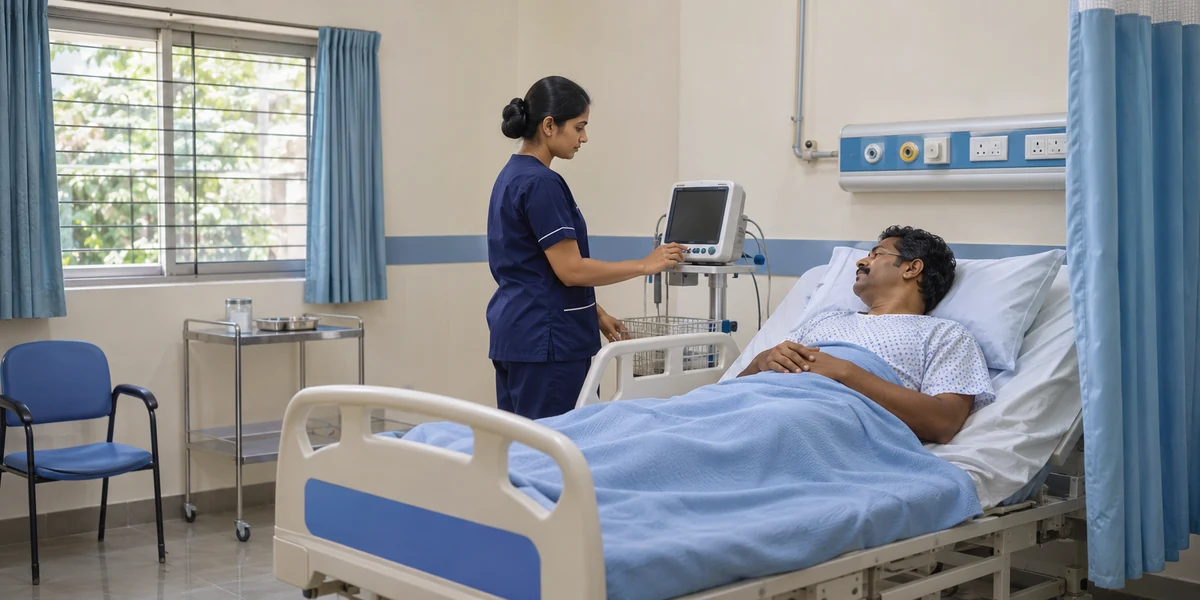
Critical Care (ICU)
The Intensive Care Unit supports seriously ill patients who require close observation and a higher level of care than a general ward can provide.
- The treating team determines whether intensive care is needed.
- Families can ask the care team how patient updates are shared.
- Check with the hospital about visiting arrangements.
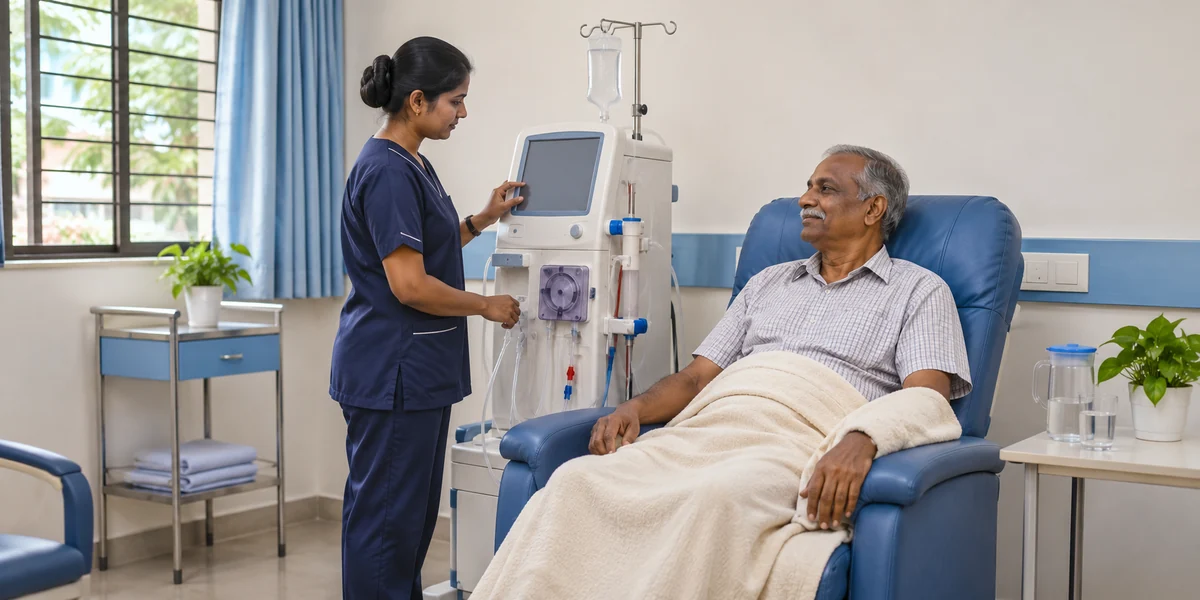
Dialysis Unit
The Dialysis Unit provides care for patients whose treatment plan requires dialysis. Patients arranging a session can check availability with the hospital before travelling.
- Ask the hospital what referral documents or reports to bring.
- Confirm session availability and arrival instructions.
Planning a Visit?
Check consultation timings and prepare for your visit.